1
Sign up for ALERTFlagler
Free county alerts by text, email, and phone, tied to your address. Turn on flash flood, severe thunderstorm, tornado, and extreme wind at a minimum. Quiet hours still break for evacuations and tornadoes.
Open ALERTFlaglerLive · Explore · Belong

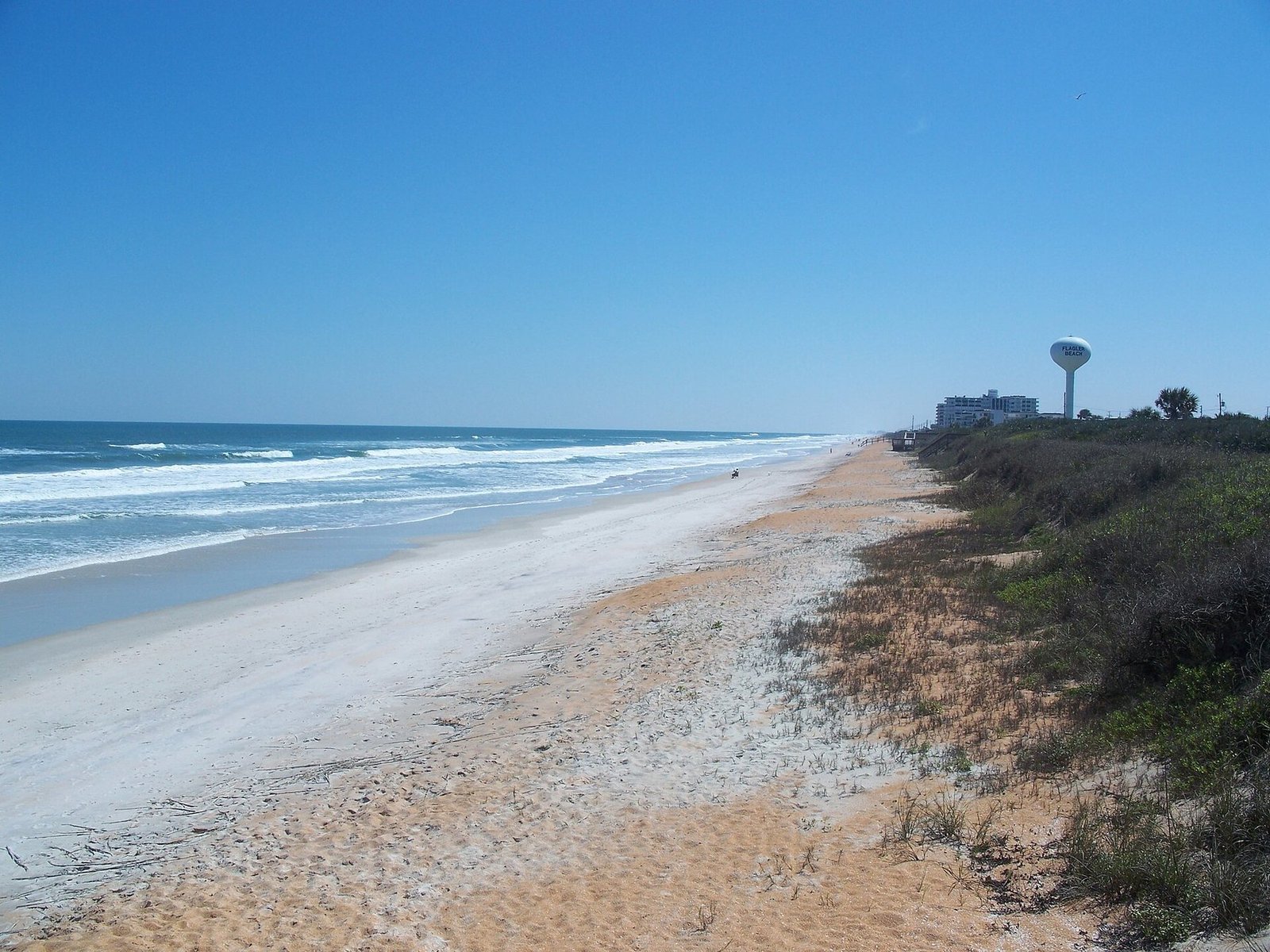
Hurricane season · June 1 – November 30
The Atlantic is fifteen minutes from Town Center. This is the Flagler County version of being ready — not a generic have-batteries flyer.
Not the EOC
PalmCoast.Life is a local guide. When a storm is named, Flagler County Emergency Management and the National Hurricane Center are the voices that count.
Start here
Do these on a boring afternoon. A cone over the Bahamas is a terrible time to create an account.
1
Free county alerts by text, email, and phone, tied to your address. Turn on flash flood, severe thunderstorm, tornado, and extreme wind at a minimum. Quiet hours still break for evacuations and tornadoes.
Open ALERTFlagler2
The planning map is for homework, not the order itself. Flagler names neighborhoods when it actually evacuates. If you live in a mobile home or RV, plan to leave even if the map looks quiet.
Open the planning map3
Homeowners policies do not cover flood. NFIP and most private flood policies have a waiting period — often 30 days. A named storm is too late. Canal lots and the barrier island are not the only streets that flood.
Insurance 101 →Flagler does it differently
Palm Coast streets already run on letters — B, C, F, P. The county dropped alphabetical evacuation zones because they collided with that map. When they tell you to leave, they name neighborhoods, not a letter on a TV key.
The planning map is for the off-season. It is not the order. A second map goes up when they actually evacuate. If you live near a boundary, call (386) 313-4200 rather than squinting at a simplified polygon.
Two planning areas matter in this county: a hurricane evacuation area that includes the entire barrier island and some land west of I-95, and a lake flood area in parts of the southwest. Mobile homes and RVs should plan to go even when the map is quiet.
You are not being asked to drive to Tennessee. National Hurricane Center guidance for most Flagler evacuations is a short hop — five to ten minutes outside the named area — into a code-built house, or into a shelter the county has opened for that storm.
Geography
Two houses a half-mile apart can have different flood, surge, and insurance stories. Tour that before you need it.
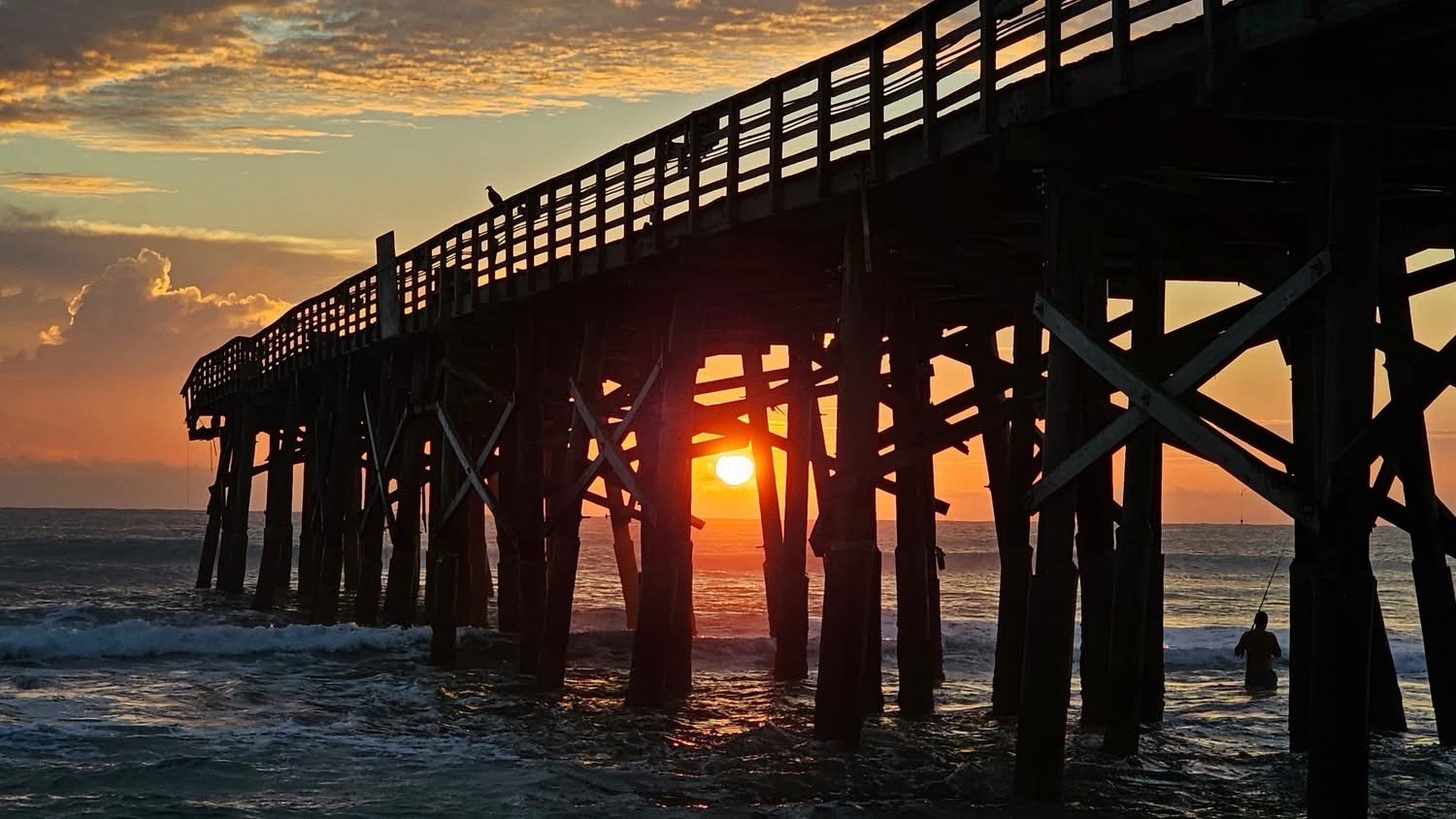
The whole town sits on a barrier island between the Atlantic and the Intracoastal. Treat it as a leave-when-told place, not a ride-it-out postcard. A1A floods. The bridge is the way off.

East of the Intracoastal, west of the dunes. Beautiful, low, and surge-aware. If the county names coastal neighborhoods, this is in the conversation.

Palm Harbor’s saltwater canals are the lifestyle. They are also where water goes when the ICW rises. Seawalls are not a surge plan. Know whether your canal actually connects, and keep the lift up.

Most of the original ITT grid is a shelter-in-place story for typical storms — if the house meets code and you are not in a named flood or surge pocket. Wind, trees, and power outages are still the week.
Buying? Get the wind and flood quotes before you waive contingencies. Insurance 101 →
Pack once
Seven days is the local habit — power on the east side of the county can sit out longer than a weekend. Buy this in May. Fighting a Publix line under a watch is how people get hurt.
0 of 12 checked — saved on this device.
The rest of the plan
FEMA flood maps (X, AE, VE) are insurance documents. Flagler’s evacuation order is life-safety — surge and getting off the island. You can be in Zone X and still be told to leave, or in AE and be a stay-put for a given storm. Look up both. Do not let a listing’s “not in a flood zone” stand in for the county’s actual order.
Not every shelter opens for every storm. Wait for Emergency Management’s list. Bring the kit. Pet-friendly space is limited and documented — crate, food, vet records, and a confirmation that that site takes animals. The special-needs registry is a before-season form, not a warning-day surprise.
A named storm is a bad time to invent a marina plan. Haul out and trailer inland, or follow the yard’s written hurricane plan. Lifts up, or the boat off the lift — your dock and your policy will say which. Do not assume a canal is a harbor. Photograph the vessel before the wind arrives.
If you leave in summer, someone local needs a key and a shutter checklist. Insurance occupancy and vacancy clauses are real. Leave the A/C on enough to dry the house. Fridge empty or well-managed. A cone over the Bahamas is a terrible time to fly back from Ohio to close accordion shutters.
Policies, deductibles, Citizens, 4-point and wind-mitigation inspections: Insurance 101 → · Before you buy →
The week of
Bookmark these
During a storm, rumor is faster than truth. These six links are the whole dashboard.
New to town? Put this next to utilities and the tax collector. Moving guide → · Welcome Kit → · Flagler Beach →